
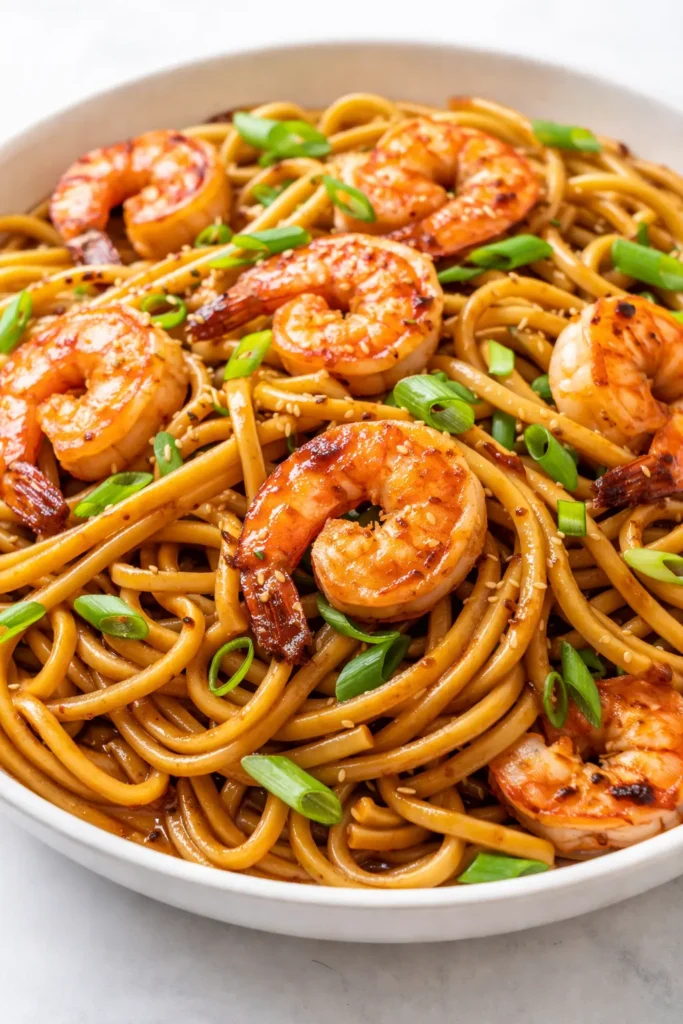
The first time I made this Easy Shrimp Lo Mein, my husband looked up from his plate and said, “We’re never ordering takeout again.” I didn’t argue. The noodles had that perfect chewy-tender bite, the shrimp were sweet and snappy, and the sauce coated every strand without making the bottom of the bowl swimmy. The secret is in the order of operations — high heat, a well-prepped wok, and one unexpected trick my grandmother Marta would have absolutely approved of.
The short version: 30 minutes, one wok (or big skillet), and a sauce that tastes like it simmered for hours — but it doesn’t.
My kids ask for this on busy school nights and devour it before I’ve even sat down. It’s faster than delivery and, frankly, better.
- Serves: 4 as a main
- Hands-On Time: 20 min | Total Time: 30 min
- Difficulty: Easy — weeknight easy, even if you’re tired
- Cost per serving: ~$4.50
- Calories: ~420 per serving
- Dietary Notes: Can be made gluten-free (see swaps)
(Photo above: overhead shot of the lo mein in a wide white bowl, chopsticks lifting a tangle of noodles and shrimp, steam rising, dark soy glaze catching the light from the kitchen window, a sprinkle of sesame seeds and green onions on top.)
The Thing That Makes This Better Than Takeout
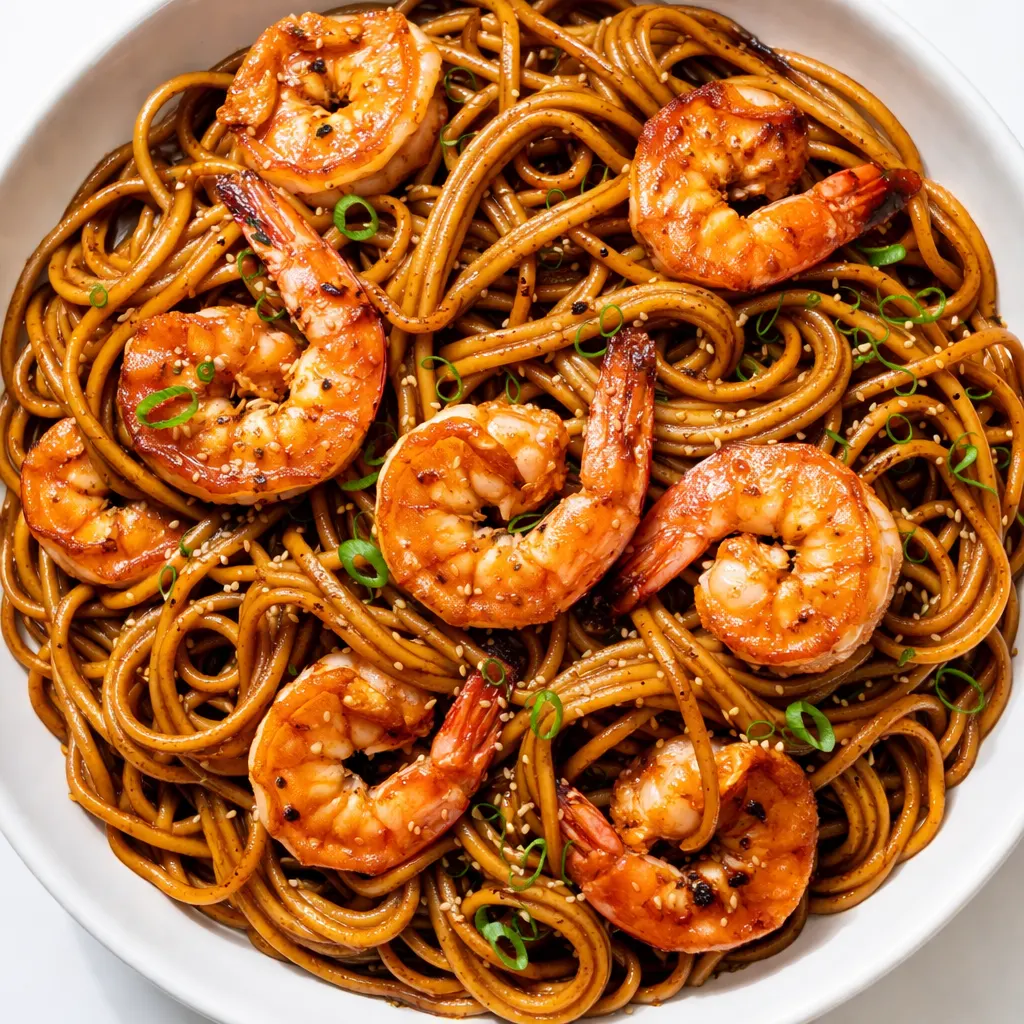
Most lo mein recipes end up with a pile of soggy noodles because they don’t respect the heat. High heat, a dry wok, and ingredients prepped and ready to go — that’s the difference between a bowl that sings and a bowl that sits.
The cornstarch slurry is the glue, but timing is the real trick. You’re not simmering this sauce for twenty minutes. You’re building it in the wok, letting it thicken around the noodles and shrimp in about sixty seconds flat. The result is a glossy, clingy coating that tastes deep and rich without being heavy.
And that one unexpected trick? A splash of reserved pasta water. It sounds strange for a noodle dish, but the starch in the water helps the sauce emulsify and stick to every strand the way takeout lo mein does. Marta never used it, but I think she’d understand the logic.
Ingredients Worth Talking About
- 8 oz fresh lo mein noodles: Fresh is non-negotiable here. Dried spaghetti won’t give you that same squishy-springy bite. Look for them in the refrigerated section near the tofu or produce. My kids actually notice the difference — they complained the one time I tried a shortcut with dried linguine.
- 1 lb large shrimp (21–25 count), peeled and deveined: Frozen is fine — just thaw them in a colander under cold running water and pat them very dry. Wet shrimp won’t sear; they’ll steam. Patting them dry is the step I never skip, no matter how tired I am.
- 1/2 cup low-sodium soy sauce: We’re controlling the salt here. You can always add more at the table.
- 2 tbsp oyster sauce: This is the savory depth. It’s not optional unless you’re vegetarian. I’ve tested it without, and the whole dish falls flat.
- 1 tbsp dark soy sauce (or regular): The dark soy gives that rich, caramel color you see in restaurant lo mein. If you don’t have it, regular works — your sauce will just be a lighter brown.
- 1 tbsp brown sugar: Just enough to balance the salt and bring out the sweetness of the shrimp.
- 1 tbsp cornstarch + 2 tbsp water (slurry): The thing that glues the whole dish together. Stir it right before you add it — the cornstarch settles fast.
- 3 cloves garlic, minced: Fresh, not jarred. It makes a difference here.
- 1 tbsp fresh ginger, grated: Same as the garlic — the fresh stuff has a brightness that ground ginger can’t touch.
- 2 cups mixed stir-fry vegetables (bell peppers, snap peas, carrots, cabbage): Use whatever you have. I often just grab a bag of coleslaw mix in a pinch. My kids like the sweetness of red bell pepper best.
- 1/2 cup reserved pasta water: Starchy, magic liquid that brings the sauce together.
- 2 tbsp neutral oil (avocado or canola): High smoke point is key for a good sear.
- Green onions and sesame seeds for garnish: That final pop of color and texture. Don’t skip them — they make the dish look and taste finished.
What to Pull Out Before You Start
- A 14-inch wok or a large 12-inch cast iron skillet: You need the surface area for high heat. A non-stick skillet won’t get hot enough for a proper sear.
- Tongs: For tossing the noodles without breaking them.
- Small bowl for the sauce mixture: Prep everything before you turn on the heat. This is not a recipe you want to pause in the middle of.
If you don’t have a wok, a heavy stainless steel skillet works beautifully. Just let it get good and hot before adding the oil.
Here’s How I Do It (Step by Step)
This goes fast — seriously, once you start cooking, there is no pause. Read through the steps first, have your ingredients measured and ready, and you’ll be eating in twenty minutes.
Prep the sauce and noodles:
- Make the sauce: Whisk soy sauce, oyster sauce, dark soy, brown sugar, and cornstarch slurry in a small bowl. Set it right next to the stove. Give it another stir just before you add it to the wok.
- Par-cook the noodles: Bring a pot of water to a boil. Cook fresh lo mein noodles for 1 minute — yes, just 60 seconds. Drain, rinse with cold water to stop the cooking, and toss with a tiny bit of oil to prevent sticking. (📸 Photo tip: The noodles should look glossy and separate easily at this stage — if they’re clumping, hit them with a little more oil.)
Cook the shrimp and vegetables:
- Sear the shrimp: Heat 1 tablespoon of oil in the wok over high heat until it shimmers. Add the shrimp in a single layer — don’t crowd them. Cook for 1-2 minutes per side until pink and curled at the edges. Remove them to a plate. They’ll finish cooking in the sauce later. (📸 Photo tip: You’re looking for a golden brown sear on the edges of the shrimp — that’s the flavor.)
- Cook the aromatics: Add the remaining oil to the wok. Toss in the garlic and ginger — cook for 15 seconds until fragrant. The smell alone will tell you you’re on the right track.
- Stir-fry the veggies: Add your vegetables. Stir-fry for 2-3 minutes until crisp-tender. They should still have a little crunch — nobody wants limp vegetables in their lo mein.
Bring it all together:
- Combine and sauce: Add the noodles and shrimp back to the wok. Pour the sauce over the top. Use the tongs to toss everything together for 1-2 minutes, letting the sauce thicken and coat every strand. If it looks too thick, add a splash of the reserved pasta water — about a tablespoon at a time — until the sauce clings to the noodles instead of pooling at the bottom.
- Finish and serve: Turn off the heat. Toss in the green onions and sesame seeds. Give it one final toss and serve immediately. This dish does not sit around — it waits for no one.
How I Meal Prep This for the Week
Lo mein is best fresh out of the wok, but if you want to get ahead, here’s how I do it: I cook and store the noodles separately, sear the shrimp, and chop the veggies. When I’m ready to eat on a Tuesday night, the entire stir-fry takes about five minutes.
- Fridge: Store leftovers in an airtight container for up to 2 days. The noodles will soften a bit, but the flavor is still wonderful.
- Freezer: Not ideal — the noodles get mushy when thawed. I only freeze the sauce separately if I’m really planning ahead.
- Reheat: A hot wok or skillet with a tiny splash of water is way better than the microwave here. The microwave steams the noodles and makes them soft. If you have to use it, do it in 30-second bursts and stop the second they’re warm.
My Honest Advice After Making This Dozens of Times
- Pat your shrimp bone-dry. Wet shrimp release steam, not sear. Take the extra 30 seconds to pat them dry with paper towels. It is the single most important step for getting that restaurant-quality texture. Even if you mess up the timing a little, dry shrimp will still taste good. Wet shrimp will be sad.
- Don’t skip the oyster sauce. It is the savory backbone of this dish. If you’re vegetarian, use mushroom oyster sauce or hoisin, but know it changes the flavor profile. I’ve tried it both ways — the oyster sauce version is the one my family asks for.
- High heat is your friend. If you’re using an electric stove, let the wok heat up for a solid 2-3 minutes before you add oil. The oil should shimmer immediately when it hits the pan. If it doesn’t, your wok isn’t hot enough yet.
- Taste and adjust at the end. Soy sauces vary in saltiness. At the very end, grab a noodle and taste it. A pinch more sugar or a splash of soy can make all the difference between good lo mein and great lo mein.
Swaps That Actually Work
- Gluten-Free: Use tamari instead of soy sauce, a gluten-free oyster sauce (or hoisin), and rice noodles (adjust cooking time to the package directions). I’ve made this for friends with celiac and they loved it.
- Vegetarian: Skip the shrimp and oyster sauce. Use extra firm tofu, pressed and seared, and a good mushroom stir-fry sauce. This is the version I make for my friend Sarah, who’s been vegetarian for fifteen years.
- Spicy: Add 1 tablespoon of chili crisp or a teaspoon of sambal oelek to the sauce. I do this when I’m cooking just for myself — my kids prefer the mild version.
- Protein Swap: Chicken, beef, or sliced pork all work beautifully with the same sauce. Slice them thin against the grain and sear them exactly like the shrimp.
- Vegetable variations: Broccoli florets, mushrooms, bok choy, or bean sprouts are all welcome here. Use whatever is in your fridge — this recipe is forgiving.
Questions I Get About This Recipe All the Time
Q: Why did my noodles turn out mushy?
A: Two likely reasons: you overcooked them in the initial boil (remember, 60 seconds max!) or you let them sit in the sauce too long before serving. Lo mein waits for no one — serve it the second it comes together.
Q: Can I use dried spaghetti instead of lo mein noodles?
A: You can, but it won’t be the same dish. Spaghetti lacks the alkaline bounce of lo mein noodles. If you must, cook it very al dente and toss it with a little oil to prevent sticking. Your family will still enjoy it, but don’t expect the same texture.
Q: How long does this last in the fridge?
A: Up to 2 days in a sealed container. The texture of the noodles will soften, so I’d call it leftovers, not meal prep. It’s still delicious — I’ve eaten it cold straight from the container standing at the fridge and I’m not ashamed.
Q: What do you serve with this?
A: My family eats it as a main dish — it’s hearty enough on its own. If I’m having people over, I’ll start with some steamed dumplings and serve a quick cucumber salad on the side. The cool crunch of the cucumber is a nice contrast to the warm, savory noodles. My kids love it with a side of edamame too.
More Recipes My Family Makes on Repeat
If you liked this one, here are a few others that get the same reaction at our table:
- [INTERNAL LINK PLACEHOLDER: Easy Chicken Fried Rice] — The perfect partner to this lo mein, or a great meal on its own. Ready in 20 minutes.
- [INTERNAL LINK PLACEHOLDER: Sheet Pan Honey Garlic Shrimp] — Even less cleanup, same sweet-savory satisfaction my whole family goes crazy for.
- [INTERNAL LINK PLACEHOLDER: 20-Minute Garlic Noodles] — When you need a side dish that steals the show. So simple, so good.
This Easy Shrimp Lo Mein has become one of those recipes I don’t even think about anymore — it’s just muscle memory. That’s the highest praise I can give a weeknight meal. It works, it’s fast, and it makes everyone at the table happy.
If you make it, let me know how it goes. Drop a comment below or tag me on Pinterest — I love seeing your kitchens in action.
📌 Save this Easy Shrimp Lo Mein recipe for your next busy weeknight — 30 minutes, one wok, and better than takeout.
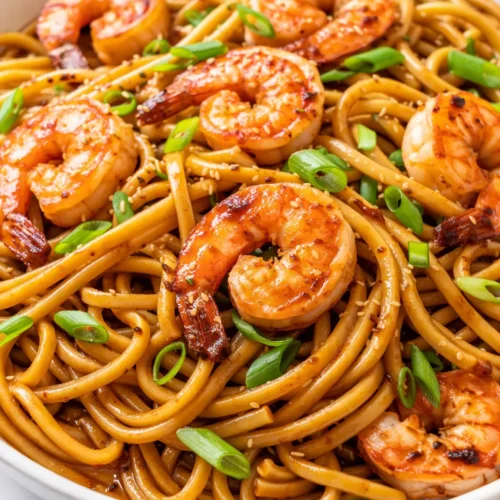
Easy Shrimp Lo Mein That’s Faster Than Delivery
Equipment
- 14-inch wok or large 12-inch cast iron skillet
- Tongs
- Small bowl for sauce
- Pot for boiling noodles
- Paper towels for drying shrimp
- Measuring spoons
Ingredients
For the Noodles and Sauce
- 8 oz fresh lo mein noodles
- 1/2 cup low-sodium soy sauce
- 2 tbsp oyster sauce
- 1 tbsp dark soy sauce (or regular)
- 1 tbsp brown sugar
- 1 tbsp cornstarch
- 2 tbsp water (for slurry)
- 1/2 cup reserved pasta water
For the Shrimp and Vegetables
- 1 lb large shrimp (21-25 count), peeled and deveined
- 3 cloves garlic, minced
- 1 tbsp fresh ginger, grated
- 2 cups mixed stir-fry vegetables (bell peppers, snap peas, carrots, cabbage)
- 2 tbsp neutral oil (avocado or canola)
For Garnish
- Green onions, sliced
- Sesame seeds
Instructions
- Make the sauce: In a small bowl, whisk together soy sauce, oyster sauce, dark soy, brown sugar, and cornstarch slurry (cornstarch mixed with 2 tbsp water). Set aside. Give it another stir just before adding to the wok.
- Par-cook the noodles: Bring a pot of water to a boil. Cook fresh lo mein noodles for 1 minute. Drain, rinse with cold water to stop cooking, and toss with a tiny bit of oil to prevent sticking. Set aside.
- Sear the shrimp: Heat 1 tablespoon of oil in the wok over high heat until shimmering. Add shrimp in a single layer and cook for 1-2 minutes per side until pink and curled. Remove to a plate.
- Cook aromatics: Add remaining oil to the wok. Add garlic and ginger; cook for 15 seconds until fragrant.
- Stir-fry vegetables: Add vegetables and stir-fry for 2-3 minutes until crisp-tender.
- Combine: Return noodles and shrimp to the wok. Pour sauce over top. Use tongs to toss everything for 1-2 minutes, letting the sauce thicken and coat every strand. If too thick, add reserved pasta water a tablespoon at a time until sauce clings to noodles.
- Finish and serve: Turn off heat. Toss in green onions and sesame seeds. Serve immediately.
Notes
Related posts:
 Lasagna Roll-Ups That Taste Like Sunday Dinner (In 45 Minutes Flat)
 Creamy Smothered Chicken and Rice for the Weeknights You Need Real Comfort: Rich, Velvety, One Pot
 Easy Beef and Broccoli That’s Better Than Takeout in 30 Minutes
 Crunchy Cucumber Carrot Salad That Stays Crisp for Days — in 15 Minutes
 Egg Roll in a Bowl That’s Faster Than Takeout (Ready in 20 Minutes)
 Mini Quiche Recipe: The Store-Bought Crust Version That Tastes Like You Made It From Scratch