
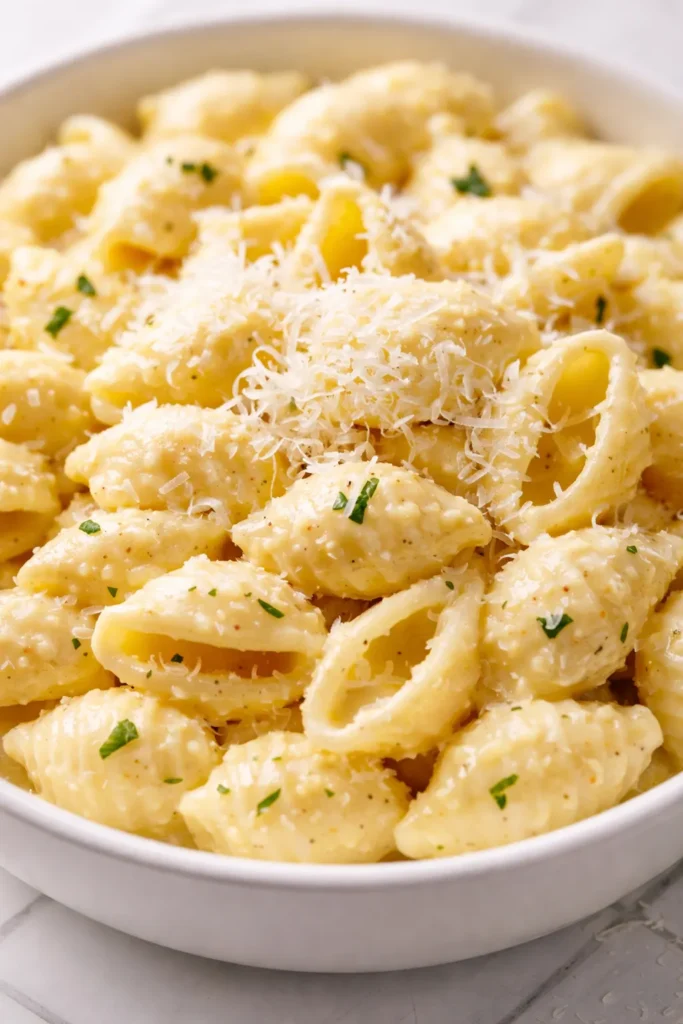
The first time I made this lemon ricotta pasta, it was a Tuesday night in June. The kitchen smelled like summer — bright citrus and warm pasta water. My daughter Nora walked in, took one look at the bowl, and said, “This smells like you’re trying to impress someone.” I wasn’t. I was just trying to use up the ricotta. But the way she went back for thirds? That told me everything I needed to know.
The short version: This quick weeknight dinner comes together in exactly 20 minutes and tastes like you spent an hour on it.
I’ve tested this version at least fifteen times across different pasta shapes, ricotta brands, and lemon varieties. The ratio I’m sharing here is the one that consistently produces a sauce that’s creamy, not clumpy — and bright, not bitter.
- Serves: 4 as a main
- Hands-On Time: 15 min | Total Time: 20 min
- Difficulty: Easier than deciding what to order for delivery
- Cost per serving: ~$2.50
- Calories: ~480 per serving
- Dietary Notes: Vegetarian. Easily adaptable for gluten-free.
(Photo above: overhead shot of the pasta twirled into a shallow white bowl, a glossy sheen catching the light from the left, scattered fresh basil leaves, and a fine dusting of red pepper flakes and Parmesan across the top.)
Why This Method Actually Works (And Why It’s Better Than Takeout)
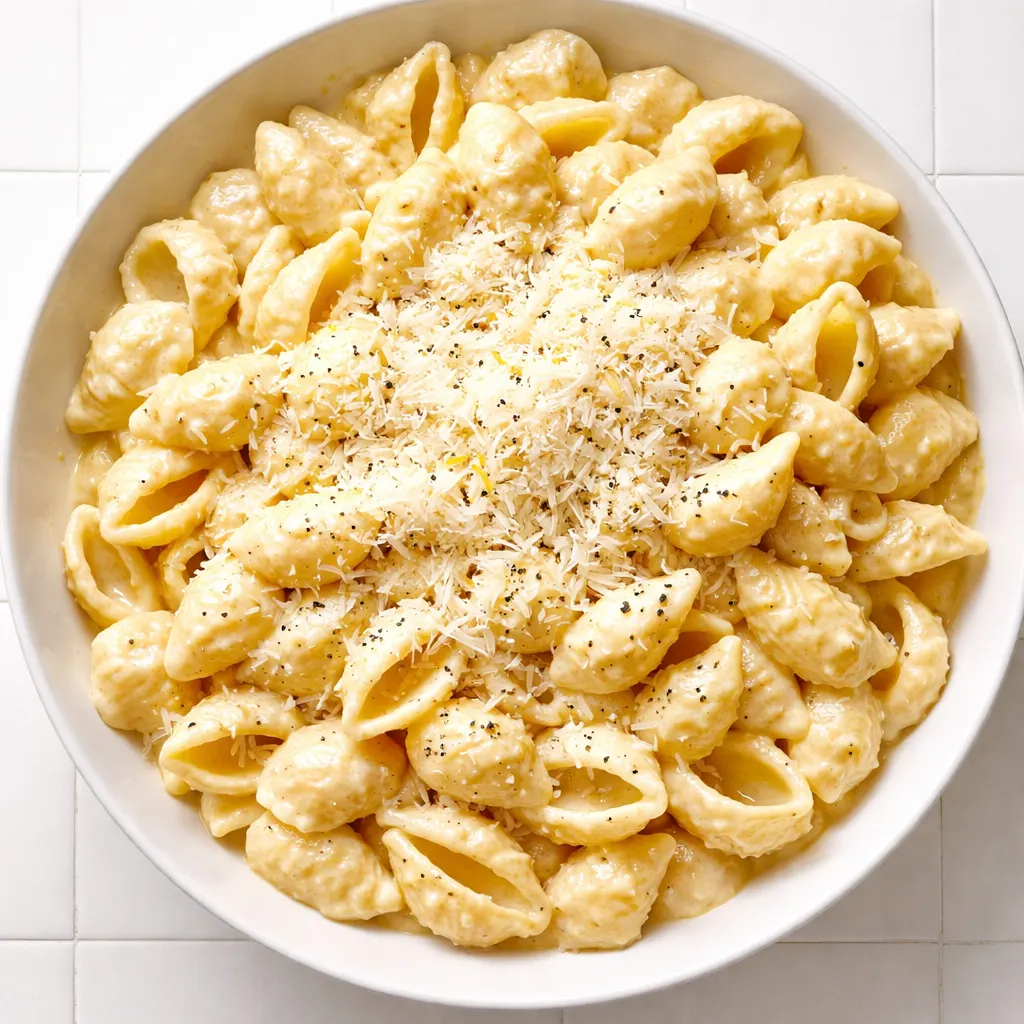
I’ve made versions of lemon ricotta pasta that turned out gritty. Clumpy. The kind of sauce that coats the pasta unevenly and leaves you wondering where you went wrong. The problem was always the same: I was treating the ricotta like a finished sauce instead of a base that needed help.
This version starts with two things that make all the difference. First, I don’t drain the ricotta the way I would for lasagna — I want that moisture. It helps the sauce spread evenly across the pasta without needing a ton of extra fat. Second, I use the lemon in two stages. The zest goes into the ricotta while the pasta cooks, letting the oils infuse. The juice goes in at the very end, off the heat. That way you get the full aromatic citrus hit without the acid breaking the dairy and turning it into something that looks like scrambled eggs.
The result is a sauce that clings to every ridge and crevice — creamy, tangy, and exactly what a quick weeknight dinner should taste like.
Ingredients Worth Talking About (And One You Shouldn’t Skip)
- 1 lb pasta (short or long — I prefer shells or ziti): Short shapes with ridges catch the sauce best. But honestly, I’ve made this with spaghetti too and it works. Nora always picks the shells because “they hold the ricotta like little cups.” She’s right.
- 1 cup whole-milk ricotta cheese: This is non-negotiable unless you’re swapping it for a specific reason (see variations below). Part-skim ricotta has less fat and more moisture, which means a thinner, less satisfying sauce. I’ve tested both. The whole-milk version wins every time.
- 1 large lemon (zest and juice): A Meyer lemon is lovely if you find one, but a standard supermarket lemon works just fine. Just make sure it feels heavy for its size — that means it’s juicy.
- 2 tbsp butter: A little bit rounds out the edges of the ricotta and gives the sauce a silky finish. I’ve skipped it before when I was trying to be “healthy” and regretted it. The sauce felt thin and sharp.
- ½ cup grated Parmesan, plus more for serving: Buy a wedge and grate it yourself. The pre-grated stuff has anti-caking agents that prevent it from melting smoothly. This is the one place I’m a snob.
- 1 clove garlic, grated: Just one. Lemon is the star here — garlic is a background note. A microplane is your best friend for this.
- Salt, black pepper, red pepper flakes: Salt the pasta water until it tastes like the sea. That’s your only chance to season the pasta from the inside out.
- 1 cup reserved pasta water: This is the secret to the creamy texture. The starch in the water binds the ricotta and cheese into something that coats the pasta instead of sitting on top of it.
What to Pull Out Before You Start
- A large pot (4 quarts minimum) for the pasta
- A colander
- A large bowl or skillet big enough to toss everything together — I use a 12-inch sauté pan
- A microplane or fine grater for the lemon zest, garlic, and Parmesan
- Tongs for tossing
- A measuring cup for the pasta water
That’s it. No food processor, no blender, no special equipment.
Here’s How I Do It (Step by Step, No Fancy Skills Required)
This goes fast, so read through once before you start. The actual cooking time is shorter than most episodes of a sitcom.
Prep everything first: Grate your Parmesan, zest and juice your lemon, grate your garlic clove. Once the pasta starts boiling, you won’t have time to mess with a grater.
- Salt and boil the pasta: Bring a large pot of water to a rolling boil. Add a generous handful of salt — I use about 2 tablespoons. Add your pasta and cook it according to the package directions until it’s al dente. (📸 Photo tip: You should see the pasta dancing vigorously in the water. If it’s just sitting there, your water isn’t boiling hard enough.)
- Reserve the pasta water: Before you drain the pasta, scoop out a full cup of the starchy water. Set it aside. Do not forget this step. I have forgotten it. I have cried about it.
- Whisk the ricotta base: While the pasta cooks, combine the ricotta, lemon zest (all of it), grated garlic, a big pinch of salt, and several grinds of black pepper in a medium bowl. Whisk until it’s smooth and the lemon zest is evenly distributed. The mixture will look thick — that’s fine. The pasta water will loosen it.
- Melt the butter: In your large skillet or sauté pan, melt the butter over medium-low heat. Swirl it around so it coats the bottom. Don’t let it brown — you want it gently melted, not foaming.
- Add the hot pasta: Dump the drained pasta directly into the skillet with the melted butter. Toss it to coat.
- Build the sauce: Remove the skillet from the heat. Add the ricotta mixture and about half of the reserved pasta water. Toss vigorously with tongs — the heat from the pasta will melt the ricotta into a creamy sauce. (📸 Photo tip: At this point you should see the sauce clinging to the pasta, looking glossy and smooth, not broken or watery.)
- Add the lemon juice and Parmesan: Drizzle in the lemon juice and add half the Parmesan. Toss again. If the sauce looks too thick, add more pasta water, a tablespoon at a time, until it has the consistency of a light cream sauce.
- Finish and serve: Taste it. Add more salt, pepper, or a pinch of red pepper flakes if you want heat. Divide into bowls and top with the remaining Parmesan, fresh basil if you have it, and another sprinkle of red pepper flakes. Serve immediately.
How I Meal Prep This for the Week
I make a double batch on Sundays when I know the week ahead is going to be chaos. The sauce keeps beautifully, and having it ready means dinner is literally a matter of boiling water.
- Fridge: Store the sauce and pasta separately in airtight containers for up to 4 days. Reheat the pasta in a skillet with a splash of the reserved pasta water or milk to bring the creaminess back.
- Freezer: I don’t recommend freezing the fully assembled pasta — the ricotta can turn grainy when thawed. But you can freeze the ricotta sauce base (without the lemon juice) for up to a month. Add the lemon juice fresh after reheating.
- Reheat: Low and slow on the stovetop with a splash of liquid. The microwave works in a pinch, but the texture is better if you take the extra three minutes on the stove.
Things I Wish I’d Known the First Time (And the Mistakes I Made)
- Don’t skip resting the zest in the ricotta: I know it feels like an extra step for no reason. But letting the lemon zest sit in the ricotta for even five minutes releases the essential oils and changes the flavor from “lemony” to “deeply citrusy.” It’s a small thing that makes a big difference.
- The pasta water is the hero: I cannot emphasize this enough. If your sauce looks clumpy or thick, you didn’t add enough. Add it slowly — a splash at a time — and toss until it looks silky. The starch in the water is what binds the ricotta and Parmesan into a single creamy sauce instead of a grainy mess.
- Don’t overheat the ricotta: This is the most common mistake. If you add the ricotta to a screaming hot pan or keep the heat on while you toss, the sauce will break. Remove the pan from the heat entirely before you add the ricotta mixture. Let the residual heat from the cooked pasta do the work. Trust me on this one — I’ve ruined enough batches to know.
- Even if you mess it up, it’s still good: I’ve had versions where the sauce looked more like cottage cheese than a creamy coating. You know what I did? I added an extra splash of pasta water, a knob of butter, and stirred it off the heat until it came back together. It wasn’t perfect, but my family still ate every bite. Don’t stress so much that you forget to enjoy it.
Swaps That Actually Work (Yes, I’ve Tested Them All)
- Gluten-Free: Use a high-quality lentil or chickpea-based pasta. They hold up well and don’t get mushy. Reserve a little extra pasta water — gluten-free pasta can be thirsty and the sauce might need the extra starch.
- Dairy-Free: I’ve made this with cashew-based ricotta (Kite Hill is my go-to) and a plant-based butter. It’s not identical — the texture is slightly less creamy — but it’s genuinely good. My friend Sarah makes it this way and says her kids don’t notice the difference.
- Kid-Friendly: Leave out the red pepper flakes entirely and add a handful of shredded mozzarella at the end. The mozzarella makes it even milder and stretches the sauce. Nora loved this version when she was younger.
- Protein Add-In: This is excellent with sautéed shrimp, shredded rotisserie chicken, or crisp prosciutto on top. My husband Dave adds peas to his bowl because he claims “it’s not a meal without something green.”
- Extra Veggie: Sauté some asparagus or zucchini in the pan before you add the pasta. Or stir in a handful of baby spinach at the end — it wilts beautifully into the warm sauce.
The Questions My Readers Keep Asking About This Lemon Ricotta Pasta
Q: Why did my sauce curdle? It looked grainy and separated.
A: Ugh, that’s frustrating — I’ve been there. The most common reason is that the heat was too high when you added the ricotta. Make sure you take the pan completely off the heat before you add it. If it still looks curdled, try this: add a tablespoon of cold butter and whisk it in off the heat until it comes back together. The cold fat helps re-emulsify the sauce.
Q: Can I use part-skim ricotta?
A: You can, but the sauce won’t be as luscious. Part-skim ricotta has more moisture and less fat, which means a thinner sauce that’s more likely to separate. If that’s what you have in the fridge, add an extra tablespoon of butter and a little less pasta water to compensate.
Q: How long does this last in the fridge? Can I freeze it?
A: The assembled pasta keeps in the fridge for up to 4 days. For the best texture, store the sauce and pasta separately and combine when you reheat. I don’t recommend freezing the fully assembled dish — the ricotta can get grainy. But you can freeze the ricotta base (before you add the lemon juice) for up to a month. Add the fresh lemon juice after you thaw and reheat it.
Q: What do you serve with this pasta?
A: This is hearty enough to be a main dish, but if you want a side, I love a simple arugula salad with lemon vinaigrette — the peppery greens are a great contrast to the creamy pasta. A side of roasted broccoli or green beans also works beautifully. My family’s favorite pairing is crusty bread to soak up any extra sauce left in the bowl.
More Recipes My Family Makes on Repeat
If this lemon ricotta pasta becomes a staple in your house the way it has in mine, here are a few other favorites that get the same reaction at our table:
- Creamy Tomato Chicken Pasta — Just as quick and uses mostly pantry ingredients. My kids ask for this every other week.
- Easy Skillet Lasagna with Ricotta — All the comfort of baked lasagna but on the table in 35 minutes.
- Lemony Roasted Chicken and Potatoes — The perfect Sunday dinner that fills the house with the best smell.
This is the kind of recipe I love passing along — the one you’ll make on a Tuesday when you’re tired and hungry and the kitchen feels like the last place you want to be. It comes together faster than delivery, it uses ingredients you probably already have, and it leaves you with a bowl so good you’ll be tempted to lick it clean.
If you make this quick lemon ricotta pasta, leave a comment below and let me know how it went. I love hearing about your kitchen wins — especially the ones that happen on busy weeknights.
📌 Save this creamy lemon ricotta pasta recipe on Pinterest — it’s the 20-minute dinner that bails you out on those nights when takeout feels like the only option.
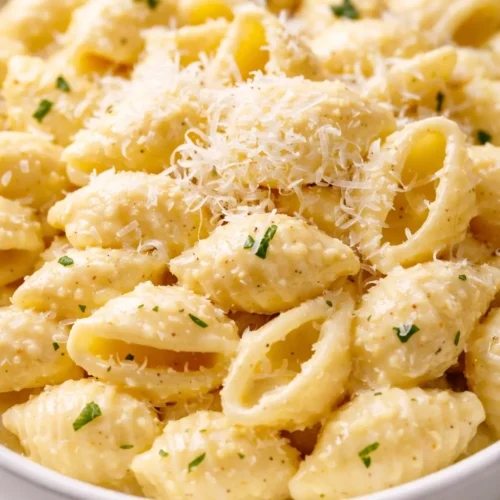
Quick Lemon Ricotta Pasta
Equipment
- Large Pot
- Colander
- Large Skillet or Saute Pan
- Microplane or Fine Grater
- Tongs
- Measuring Cup
Ingredients
For the Pasta
- 1 lb pasta (shells or ziti recommended)
For the Sauce
- 1 cup cup whole-milk ricotta cheese
- 1 large lemon (zest and juice)
- 2 tbsp tbsp butter
- 1/2 cup cup grated Parmesan cheese (freshly grated)
- 1 clove garlic (grated)
- Salt, black pepper, red pepper flakes (to taste)
- 1 cup cup reserved pasta water
- Fresh basil leaves (for serving, optional)
Instructions
- Bring a large pot of water to a rolling boil. Add a generous handful of salt (about 2 tablespoons). Add your pasta and cook until al dente.
- Before draining, reserve 1 cup of the starchy pasta water. Set aside.
- While pasta cooks, combine ricotta, lemon zest, grated garlic, a big pinch of salt, and several grinds of black pepper in a medium bowl. Whisk until smooth.
- In a large skillet, melt butter over medium-low heat. Swirl to coat the bottom. Do not let it brown.
- Add the drained pasta directly to the skillet with the melted butter. Toss to coat.
- Remove the skillet from the heat. Add the ricotta mixture and about half of the reserved pasta water. Toss vigorously with tongs until the sauce is creamy and clings to the pasta.
- Drizzle in the lemon juice and add half the Parmesan. Toss again. If sauce is too thick, add more pasta water a tablespoon at a time until it reaches a light cream consistency.
- Taste and adjust seasoning with salt, pepper, or red pepper flakes. Divide into bowls and top with remaining Parmesan, fresh basil if using, and another sprinkle of red pepper flakes. Serve immediately.
Notes
Related posts:
 Mini Quiche Recipe: The Store-Bought Crust Version That Tastes Like You Made It From Scratch
 Easy Shrimp Lo Mein That’s Faster Than Delivery (Ready in 30 Minutes)
 Cheesy Garlic Bread That’s Golden and Gooey in 25 Minutes (No Soggy Middle)
 The Grilled Nectarine Burrata Prosciutto Salad That Balances Sweet, Salty, and Creamy Perfectly
 The Slow Cooker Cowboy Casserole That Saves Tired Weeknights (No Soggy Tots Allowed)
 Creamy Beef and Shells for Tuesday Nights: The One-Pot Dinner My Kids Actually Ask For