
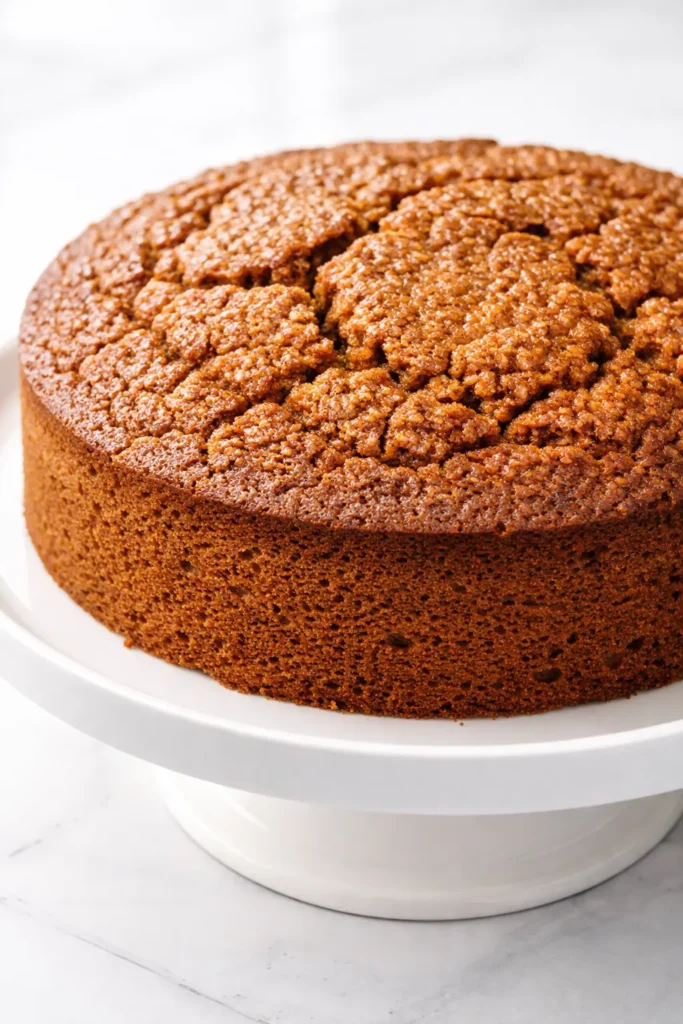
This Biscoff cake is the reason my kids now compare every other dessert to a caramelized cookie standard. I’m not mad about it. The crumb is tender, the frosting is a cloud of brown butter and Biscoff spread, and the whole thing comes together in under an hour of active work. I’ve made this cake for three different birthdays this year. Two for adults, one for a ten-year-old who told me it was “better than the store.” That’s the kind of feedback that keeps a recipe in permanent rotation.
The short version: A moist, one-bowl Biscoff sheet cake with brown butter in the batter and a silky Biscoff buttercream on top. Done in 25 minutes of hands-on time.
My neighbor Deb knocked on my door at 9pm the first time I tested this. She asked if I was “baking cookies again.” I sent her home with a slice. She came back the next morning asking for the recipe. That’s when I knew it was ready for the blog.
- Serves: 12 as dessert
- Hands-On Time: 25 min | Total Time: 3 hrs (includes cooling)
- Difficulty: Easy enough for a Tuesday, impressive enough for a birthday
- Cost per serving: ~$1.50
- Calories: ~380 per serving (with frosting)
- Dietary Notes: Naturally nut-free (check your Biscoff label). Adaptable for gluten-free and dairy-free.
(Photo above: overhead shot of the 9×13 sheet cake on a rustic wooden table, one slice lifted out to show the tender crumb and thick Biscoff-butterscotch frosting, a few crushed Biscoff cookies scattered on top, warm afternoon light falling softly from the side.)
The Trick That Makes This the Best Biscoff Cake
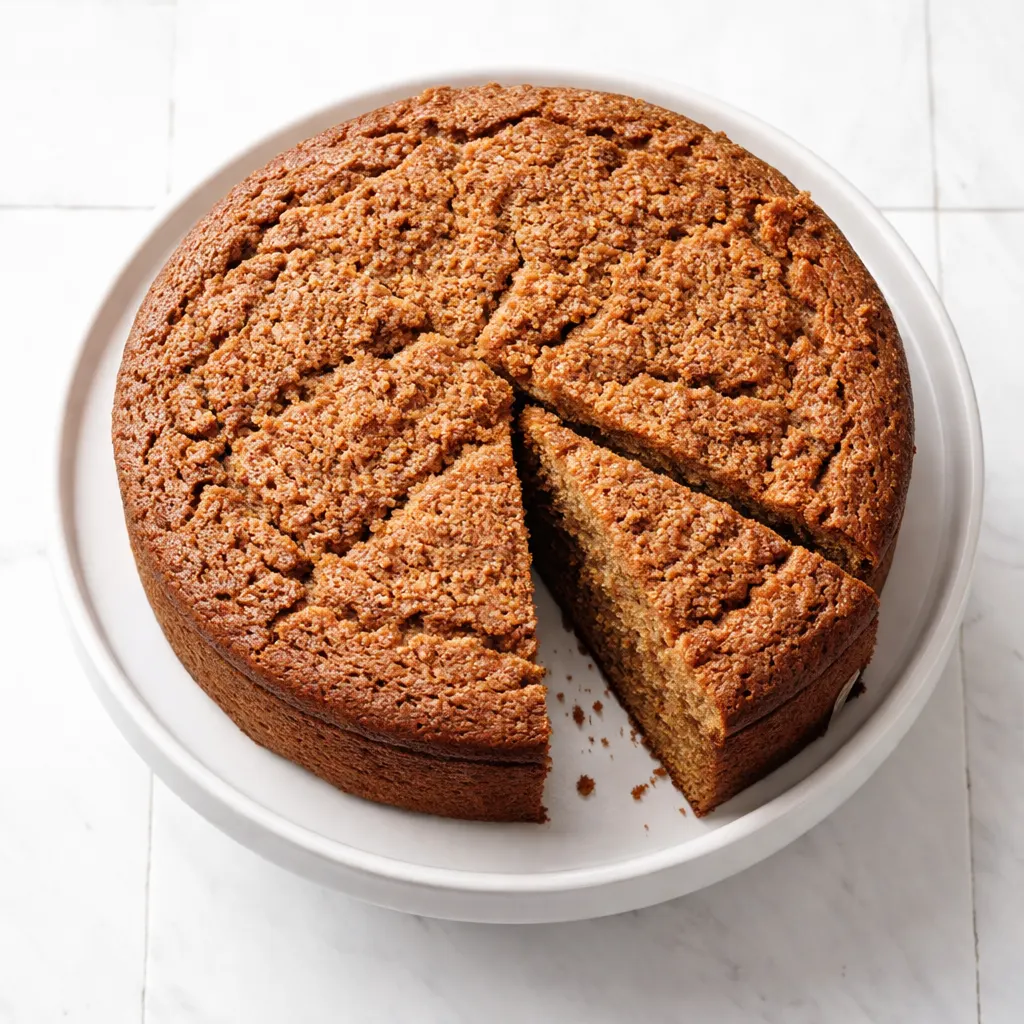
The secret here is browning the butter before it goes into the batter. It deepens the caramel flavor in a way that standard melted butter just can’t reach. You get this nutty, toasty note that plays perfectly with the sweet, spiced Biscoff spread. It takes an extra five minutes and it changes everything about the cake.
The other trick is using buttermilk. It keeps the crumb incredibly tender and cuts through the sweetness of the Biscoff spread so the cake doesn’t taste like a sugar bomb. It’s the balancing act that makes this dangerous — you can eat two slices without feeling the need to stop.
The frosting is laughably simple. It’s just butter, Biscoff spread, powdered sugar, and a splash of milk. No heavy cream needed — the spread provides the richness. It whips up in five minutes and tastes like the best cookie butter frosting you’ve ever had.
What Goes In (Plus a Few Notes From My Kitchen)
- 2 cups all-purpose flour: Spoon it into the cup and level it off. Don’t scoop straight into the bag or you’ll end up with dense cake. I use unbleached, but bleached works fine too.
- 1 tsp baking soda + 1/2 tsp salt: The baking soda helps the cake rise and brown. The salt balances the sweetness. Do not skip the salt even if you think it’s weird for a sweet cake.
- 1 cup (2 sticks) unsalted butter: You’re going to brown this. Use a light-colored pan so you can see the color change. My kids know the smell of browning butter now and come running every time.
- 1 cup granulated sugar: Regular white sugar. It dissolves beautifully into the warm brown butter. I tried brown sugar once and it was too molasses-forward. Stick with white.
- 1/2 cup creamy Lotus Biscoff spread: The creamy version is what you want. The crunchy kind has little cookie bits that are great for toast, but for the cake we want a smooth integration. Lotus is the standard brand and usually found near the peanut butter or in the international aisle.
- 2 large eggs: Room temperature. Cold eggs will seize the brown butter and leave you with a lumpy batter. Leave them on the counter for an hour before you start.
- 1 cup buttermilk: Room temperature. No buttermilk? Put 1 tbsp white vinegar or lemon juice in a measuring cup, fill to the 1-cup line with milk, let it sit 5 minutes. Works every time.
- 1 tsp vanilla extract: Pure vanilla, not imitation. It rounds out the caramel notes.
- For the frosting: 1/2 cup unsalted butter (softened), 1 cup creamy Biscoff spread, 2 cups powdered sugar, 1/4 cup milk or heavy cream, a pinch of salt. This makes a generous amount — enough for thick layers of frosting on a 9×13 sheet cake.
- For the topping: About 1/2 cup crushed Lotus Biscoff cookies. Crush them in a zip-top bag with a rolling pin. It’s deeply satisfying.
The Tools You’ll Actually Need
- A 9×13 baking dish — metal or glass both work. Metal gives a slightly crisper edge.
- A small saucepan — for browning the butter. Light-colored is best so you can see the color change.
- A hand mixer or stand mixer — for the frosting. You can do it by hand, but your arm will get tired.
- Parchment paper — line the pan for easy lifting. Leave an overhang on two sides. Best decision I ever started making in my kitchen.
- A cooling rack — essential for letting the cake cool evenly. Don’t skip it.
Making the Biscoff Cake — Start to Finish
This goes fast, so let the eggs and buttermilk come to room temperature before you start. It makes a measurable difference in how the cake bakes up.
Prep and preheat: Preheat your oven to 350°F. Line a 9×13 baking dish with parchment paper, leaving an overhang on the two long sides. Grease the exposed sides of the pan with butter or cooking spray.
- Brown the butter: Place the 1 cup of butter in the small saucepan over medium heat. Swirl the pan occasionally. The butter will foam, then the foam will subside, and you’ll see brown specks form at the bottom. It will smell nutty, like toasted hazelnuts. This takes about 5-7 minutes. Pour it into a large mixing bowl immediately to stop it from burning. Let it cool for 10 minutes. (📸 Photo tip: It should look like dark honey. The specks at the bottom of the pan are the flavor.)
- Mix the wet ingredients: Add the sugar and the 1/2 cup Biscoff spread to the cooled brown butter. Whisk until smooth. Add the eggs one at a time, whisking well after each. Whisk in the vanilla. The mixture will be thick and smell like caramelized sugar. (📸 Photo tip: It should be smooth and glossy, with no streaks of egg.)
- Mix the dry ingredients: In a separate bowl, whisk together the flour, baking soda, and salt.
- Combine the two: Add half the dry ingredients to the wet mixture. Gently fold with a spatula until just a few streaks of flour remain. Add half the buttermilk and fold. Repeat with the remaining dry ingredients and buttermilk. Mix until the batter is smooth and thick. Do not overmix. Overmixing activates the gluten and makes the cake tough.
- Bake: Pour the batter into the prepared pan and spread it evenly. Bake for 25-30 minutes, or until a toothpick inserted into the center comes out with a few moist crumbs (not wet batter). The top should be golden brown and the edges should be pulling away from the parchment paper. Tap the top of the cake — it should spring back fully when you press it.
- Cool: Place the pan on a wire rack and let the cake cool completely in the pan. This usually takes about 2 hours. Do not frost a warm cake. The frosting will melt into a puddle and slide off. I speak from experience.
- Make the frosting: In a large bowl, beat the softened 1/2 cup butter with the 1 cup Biscoff spread until smooth. Add the powdered sugar, 1 cup at a time, beating on low speed. Add the milk or cream and the pinch of salt. Increase speed to medium and beat for 2-3 minutes until the frosting is light, fluffy, and spreadable. If it’s too thick, add another tablespoon of milk.
- Frost and finish: Spread the frosting evenly over the cooled cake. Sprinkle the crushed Biscoff cookies over the top. Press them in gently so they stick. Let the cake rest for 15 minutes before slicing — this sets the frosting and makes for cleaner cuts.
How I Make This Ahead (Because Cake for Breakfast Is Real)
This cake gets better on the second day. The flavors settle into each other and the crumb becomes even more tender. I make a double batch on Sundays and we’re set for the week. My secret: I cut it into squares and wrap them individually so the kids can grab one from the fridge for an after-school treat.
- Fridge: Store covered in the fridge for up to 5 days. The cold actually helps the frosting set nicely.
- Freezer: Yes, it freezes beautifully. Wrap the unfrosted cake tightly in plastic wrap and then foil for up to 3 months. You can also freeze the frosted cake on a baking sheet until solid, then wrap it. Thaw in the fridge overnight.
- Reheat: The microwave works in a pinch (10 seconds for a single slice). But I prefer it at room temperature or even straight from the fridge on a warm day.
My Honest Advice After Making This 12 Times
- Let the brown butter cool completely. If you add the sugar and eggs to hot butter, you’ll scramble the eggs and end up with a greasy cake. Wait until it’s warm to the touch, not hot.
- Mistake number one is using cold eggs. Cold eggs seize up browned butter and create a dense cake. Leave them out on the counter for an hour, or submerge them in warm water for five minutes before you start. I know it sounds annoying, but it makes a real difference.
- Don’t overmix the batter. Mix until it’s just combined. A few small lumps of flour are fine. Overmixed batter develops too much gluten and your cake will be tough instead of tender.
- Crush the cookies right before serving. The cookies absorb moisture from the frosting and turn soft after about 6 hours. If you’re serving the whole cake at once, it’s fine. If you’re eating it over a few days, crush the cookies over individual slices instead. Even if you forget, it’s still delicious — I’ve done it.
Make It Yours — Swaps That Actually Work
- Gluten-Free: Swap the all-purpose flour for a good 1:1 gluten-free baking flour blend. I use the King Arthur Measure for Measure blend and it works perfectly. My gluten-free friend couldn’t tell the difference.
- Dairy-Free: Use vegan butter for both the cake and the frosting. For the buttermilk, use a dairy-free milk (oat or almond) mixed with a tablespoon of vinegar. Let it sit for 5 minutes. I’ve tested this with oat milk and it’s fantastic.
- Layer Cake Version: Double the recipe and divide it between two 9-inch round cake pans. Bake for 30-35 minutes. Use the same frosting recipe, but double it if you want a thick layer in the middle and on top. This is the version I make for birthdays.
- Spicy Twist: Add 1/2 teaspoon of cinnamon and a pinch of cayenne pepper to the dry ingredients. The heat sneaks up on you and it’s surprisingly wonderful with the Biscoff. My husband calls this the adult version.
The Questions My Readers Ask the Most
Q: Why did my cake turn out dense?
A: Ugh, I’ve been there. It’s usually one of three things: overmixed batter, cold ingredients, or too much flour. Make sure you’re spooning the flour into the measuring cup and leveling it off. Next time, use room temperature eggs and buttermilk. You’ve got this.
Q: Can I use crunchy Biscoff spread?
A: You can, but it changes the texture of both the cake and the frosting. The crunchy spread has little cookie bits that can create pockets in the cake. I prefer the creamy version for this recipe. Save the crunchy one for spreading on toast.
Q: Can I skip the brown butter?
A: You can, but you shouldn’t. It’s the one step that makes this cake taste like a bakery cake. If you’re truly short on time, just melt the butter and add an extra splash of vanilla to deepen the flavor. I haven’t tried this myself, but readers have reported it works.
Q: What do you serve with this?
A: A big glass of cold milk is the best pairing. For a dessert spread, I love it next to a bowl of fresh berries and some lightly sweetened whipped cream. My kids love it with a scoop of vanilla ice cream on top — the cold creaminess against the tender cake is perfection.
More Recipes My Family Makes on Repeat
If you liked this Biscoff cake, here are a few others that get the same reaction at our table:
- [INTERNAL LINK PLACEHOLDER: Brown Butter Chocolate Chip Cookies] — The same nutty brown butter trick, but in cookie form. My daughter calls them “the crispy-chewy ones.”
- [INTERNAL LINK PLACEHOLDER: Caramel Apple Sheet Cake] — Another one-bowl wonder that feeds a crowd. It’s my go-to for fall potlucks.
- The Easiest Banana Bread — My most popular recipe for a reason. It’s the one you make at 8pm on a Wednesday when the bananas are browning.
If you bring this Biscoff cake to a gathering, don’t expect to bring home leftovers. I speak from experience. It disappears the way good desserts do — slice by slice, with happy sighs and a quick second glance at the empty dish.
Tag me on Pinterest when you make it — I want to see that first bite!
📌 Pin this Lotus Biscoff cake recipe for your next birthday or potluck — it’s the one that everyone asks for by name and disappears before the coffee is poured.
One-Bowl Biscoff Cake with Brown Butter Frosting
Equipment
- 9×13 Baking Dish
- Small saucepan
- Hand Mixer or Stand Mixer
- Parchment Paper
- Cooling Rack
Ingredients
For the Cake
- 2 cups all-purpose flour (spooned and leveled)
- 1 tsp baking soda
- 1/2 tsp salt
- 1 cup unsalted butter (2 sticks)
- 1 cup granulated sugar
- 1/2 cup creamy Lotus Biscoff spread
- 2 large eggs, room temperature
- 1 cup buttermilk, room temperature
- 1 tsp vanilla extract
For the Frosting
- 1/2 cup unsalted butter, softened
- 1 cup creamy Lotus Biscoff spread
- 2 cups powdered sugar
- 1/4 cup milk or heavy cream
- 1 pinch salt
For the Topping
- 1/2 cup crushed Lotus Biscoff cookies
Instructions
- Preheat oven to 350°F. Line a 9×13 baking dish with parchment paper, leaving overhang on two long sides. Grease exposed sides with butter or cooking spray.
- Brown the butter: Place 1 cup butter in a small saucepan over medium heat, swirling occasionally. Butter will foam, then subside, and brown specks will form at bottom (about 5-7 minutes). Pour into a large mixing bowl immediately. Let cool 10 minutes.
- Add sugar and 1/2 cup Biscoff spread to cooled brown butter. Whisk until smooth. Add eggs one at a time, whisking well after each. Whisk in vanilla. Mixture should be smooth and glossy.
- In a separate bowl, whisk together flour, baking soda, and salt. Add half the dry ingredients to the wet mixture and gently fold with a spatula until just a few streaks of flour remain. Add half the buttermilk and fold. Repeat with remaining dry and buttermilk. Mix until batter is smooth and thick. Do not overmix.
- Pour batter into prepared pan and spread evenly. Bake 25-30 minutes, until a toothpick inserted into center comes out with a few moist crumbs (not wet batter). Top should be golden and edges pulling away from parchment. The cake should spring back when pressed.
- Place pan on a wire rack and let cake cool completely in the pan (about 2 hours). Do not frost a warm cake.
- Make frosting: In a large bowl, beat softened 1/2 cup butter with 1 cup Biscoff spread until smooth. Add powdered sugar 1 cup at a time, beating on low. Add milk or cream and pinch of salt. Increase speed to medium and beat 2-3 minutes until light, fluffy, and spreadable. Add extra milk if needed.
- Spread frosting evenly over cooled cake. Sprinkle crushed Biscoff cookies on top, pressing in gently. Let cake rest 15 minutes before slicing.
Notes
Related posts:
 The Slow Cooker Cowboy Casserole That Saves Tired Weeknights (No Soggy Tots Allowed)
 Lemon Garlic Butter Baked Salmon in Foil That’s Ready in 25 Minutes — No Fuss, No Mess
 Moist Chocolate Zucchini Bread That Doesn’t Turn Out Rubbery — Finally
 Creamy Homemade Strawberry Dole Whip (That Tastes Just Like the Real Thing)
 Blueberry Peach Bread That Doesn’t Sink or Turn Mushy — Finally
 Quinoa Chicken Sausage Bowls That Are Ready in 30 Minutes (And Actually Keep Well)